Identifying and Repairing Damaged Roof Flashing
When we think about the strength of a home's exterior, we often picture the broad, flat expanses of asphalt shingles or modern barrel tile standing up against the elements. However, a roof is only as watertight as its most vulnerable points. For many homeowners in Orlando, the weak point isn't the primary roofing material itself, but the thin pieces of metal designed to protect the joints, seams, and intersections of the roof structure.
Welcome to the world of roof flashing. While it rarely gets the spotlight, flashing is an absolutely critical component of residential roofing. It stands directly between your home's interior and the elements, safely directing water away from vulnerable crevices. Understanding how this system works, how to spot when it has failed, and when to call in a professional can save you from extensive interior damage, costly structural issues, and immense frustration.
What is Roof Flashing and Why Does It Matter?
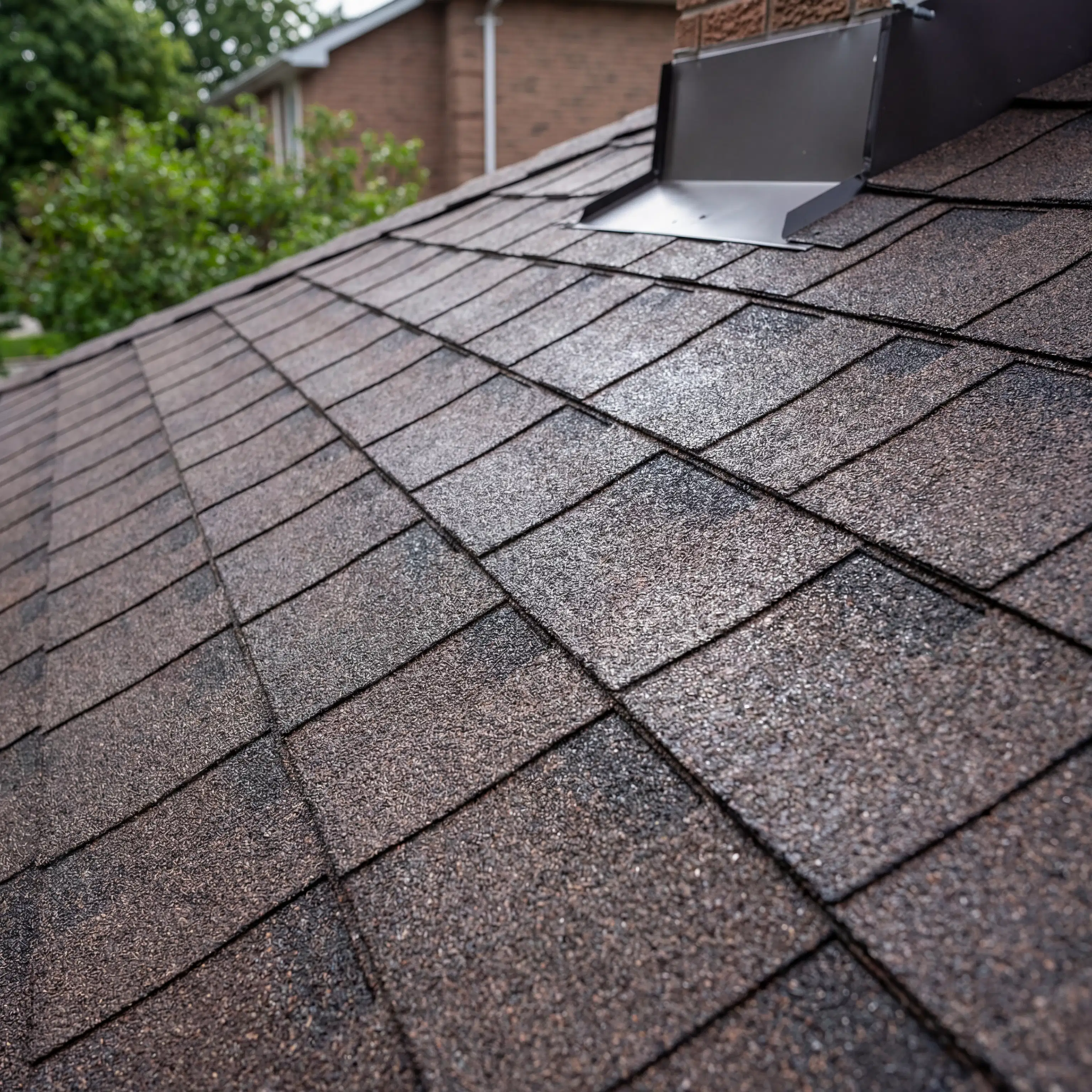
Roof flashing is typically made from rust-resistant metals like galvanized steel, aluminum, or copper. Roofers install these metal pieces at any point where the roof plane changes direction or meets a vertical surface. You will find flashing in roof valleys, around chimneys, surrounding skylights, and at the edges of plumbing vents. It is also essential where the main roof structure ties into an outdoor living space, like a covered lanai.
Its primary job is simple but vital: preventing water from seeping into the roof deck. During a typical Florida summer, we all know how intense a sudden 3 PM downpour can be. When hundreds of gallons of water cascade down your roof in a matter of minutes, flashing acts as a gutter system for the intersections, safely channeling the water over the shingles and into your primary gutters. Without properly installed and maintained flashing, water would easily pool in these valleys and seep under the shingles, leading to severe wood rot, mold growth, and interior ceiling damage. With the strict requirements of the Florida Building Code and the ongoing push for wind mitigation and hurricane resilience in CFL, having secure, high-quality flashing is non-negotiable for the long-term health of your home.
Common Signs of Damaged Flashing
Because flashing is exposed to the same extreme heat, UV radiation, and severe weather as the rest of your roof, it will eventually wear down. Being proactive about identifying issues is the best way to prepare your roof for hurricane season.
One of the most obvious indicators of a problem is interior water damage. If you notice brown water spots appearing on your ceilings or running down the walls, particularly near a fireplace or a roof valley, this is often one of the first signs of chimney and valley flashing leaks. By the time water reaches your drywall, the leak has likely been active for a while.
From the outside, you can often spot visual red flags before water makes it inside. Look for metal that appears rusted, heavily corroded, or physically bent. High winds from tropical storms can easily lift flashing that wasn't properly secured. You should also pay attention to the caulking or roofing cement used to seal the edges of the flashing. Over time, the intense Florida sun bakes this sealant, causing it to dry out, crack, and flake away. Preventing roof leaks around flashing transitions requires catching these sealant failures early. If you can see exposed seams or large gaps between the metal and the structure it is meant to protect, it is time to have a professional evaluate the situation.
Repairing vs. Replacing: What to Expect
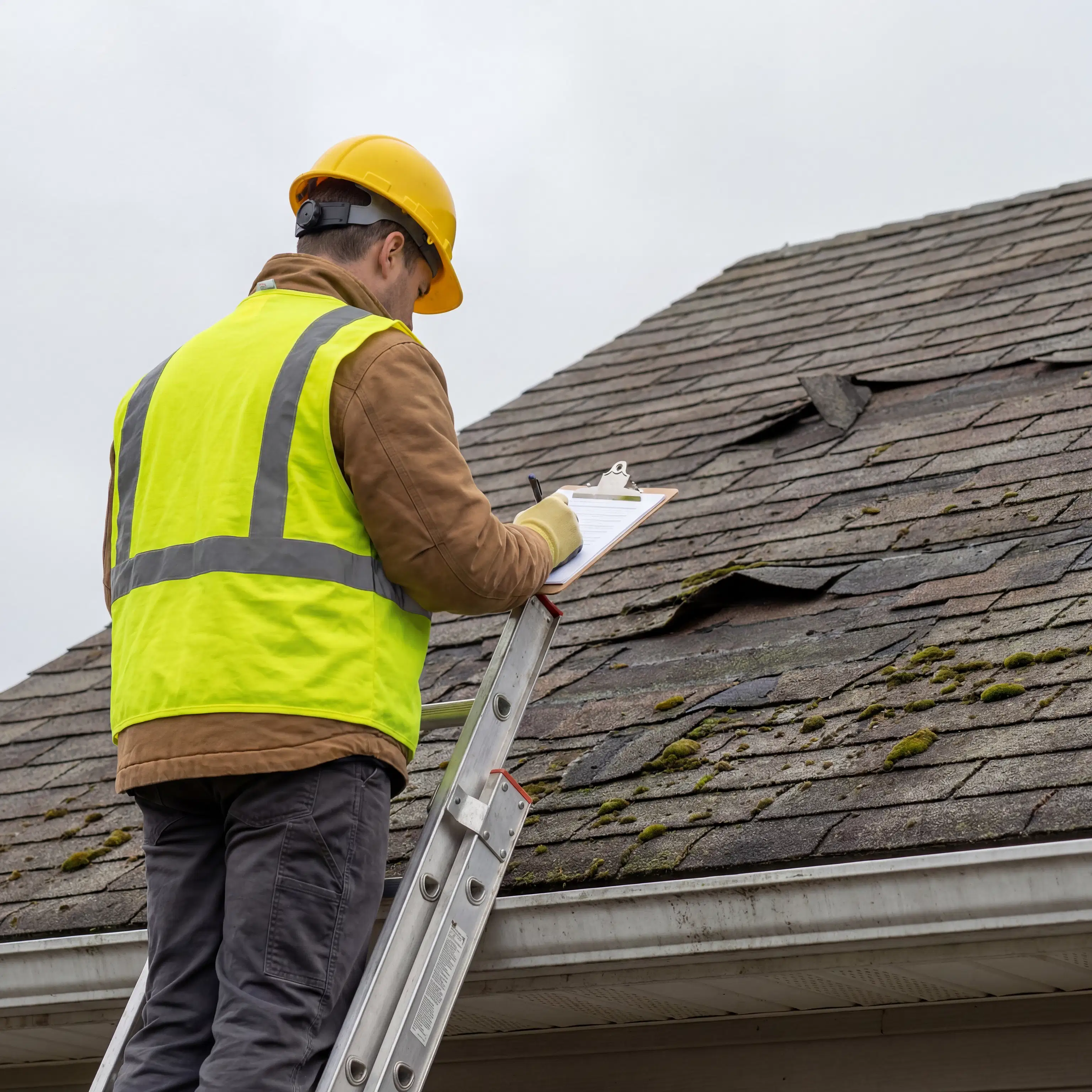
When a homeowner calls us regarding a suspected leak, our first step is always a thorough inspection. We evaluate the entire roofing system to determine the scope of the problem. Sometimes, a minor issue can be resolved with a targeted roof repair. If the flashing itself is still structurally sound and free of rust, but the sealant has simply degraded, we can often meticulously clean the area and apply a high-grade, UV-resistant roofing sealant to restore the watertight barrier.
However, if the metal is warped, severely rusted, or punctured, a full replacement of that section is required. Understanding how to replace corroded roof step flashing, for instance, is a complex process. It involves carefully removing the surrounding shingles, removing the damaged metal, installing new underlayment and flashing, and then integrating new shingles so that the entire area looks seamless and remains completely waterproof.
At Midgard Industries, we believe in doing things right the first time. We never use subcontractors for these critical tasks. When we take on your project, you will have a dedicated project manager, and the work will be completed by our own experienced, certified roofing crews. The owner is personally involved in ensuring the quality of the work, which is why we confidently stand behind every project with a 10-year workmanship warranty.
How Damaged Flashing Impacts Your Florida Home Insurance
It is no secret that navigating the property insurance market in Florida has become a major challenge for homeowners. Insurance companies are scrutinizing roofs more closely than ever before, often sending out inspectors to verify the age and condition of the roofing system before renewing a policy.
If an insurance inspector spots severely degraded flashing, lifted metal, or signs of active leaks, it can trigger immediate policy complications. Insurers view failing flashing as a major liability because it dramatically increases the risk of a catastrophic interior claim during a major storm. Maintaining your flashing and addressing repairs promptly not only protects your home's structural integrity but also helps you maintain a favorable standing with your insurance provider. Should your roof suffer sudden storm damage that leads to an insurance claim, having a documented history of proper maintenance and professional repairs can make the claims process significantly smoother.
Secure Your Roof Before the Next Storm
Flashing might be a small part of your home's exterior, but it plays a massive role in keeping your property dry and secure. Don't wait for a small drip to turn into a major disaster or an insurance nightmare. Regular inspections and timely interventions are the keys to maximizing the lifespan of your roof.
If you live in the Tri-County Area and suspect that your roof might be compromised, the team at Midgard Industries is here to help. We specialize in precise flashing repair/replacement and comprehensive roofing solutions built to withstand the harshest weather. Reach out to us today through our contact us page to schedule a thorough evaluation with our in-house experts.