Don't Let a Drip Become a Disaster: Common Causes of Orlando Roof Leaks
That familiar rumble of thunder in the distance is a daily soundtrack for life in Orlando. While our afternoon showers bring a welcome break from the heat, they can also bring a sense of dread for homeowners worried about their roof's integrity. A small, dark spot on the ceiling can quickly become a major headache, causing damage to your home and your peace of mind. The key to preventing a disaster is understanding what causes these leaks in the first place.
Many homeowners think a leak only happens after major storm damage, but often, the culprits are smaller, less obvious issues that develop over time. Understanding these common weak points can help you spot trouble early. In this guide, we'll explore the most frequent causes of roof leaks in our area and what you can do to protect your home.
1. Damaged or Compromised Shingles
Your shingles are your home's first line of defense against the elements. Unfortunately, Florida's climate is particularly tough on them. The combination of intense UV rays, high humidity, and the high winds that accompany our frequent thunderstorms can cause shingles to age prematurely.
Here’s what to look for:
- Cracked or Curling Shingles: As asphalt shingles age, they can lose their flexibility, causing them to crack or curl at the edges. This lifts the shingle, creating a perfect entry point for wind-driven rain.
- Missing Granules: Those sand-like granules on your shingles do more than add color; they protect the underlying asphalt from the sun. When you see an accumulation of these granules in your gutters, it's a sign your shingles are weakening and becoming brittle.
- Missing Shingles: A strong gust of wind during a storm can be enough to tear a shingle right off, leaving the underlayment and roof deck exposed. This is an immediate vulnerability that needs to be addressed quickly.
Regularly scanning your roof, especially after a significant weather event, can help you catch shingle issues before they lead to a serious leak.
2. Failing or Improperly Installed Flashing
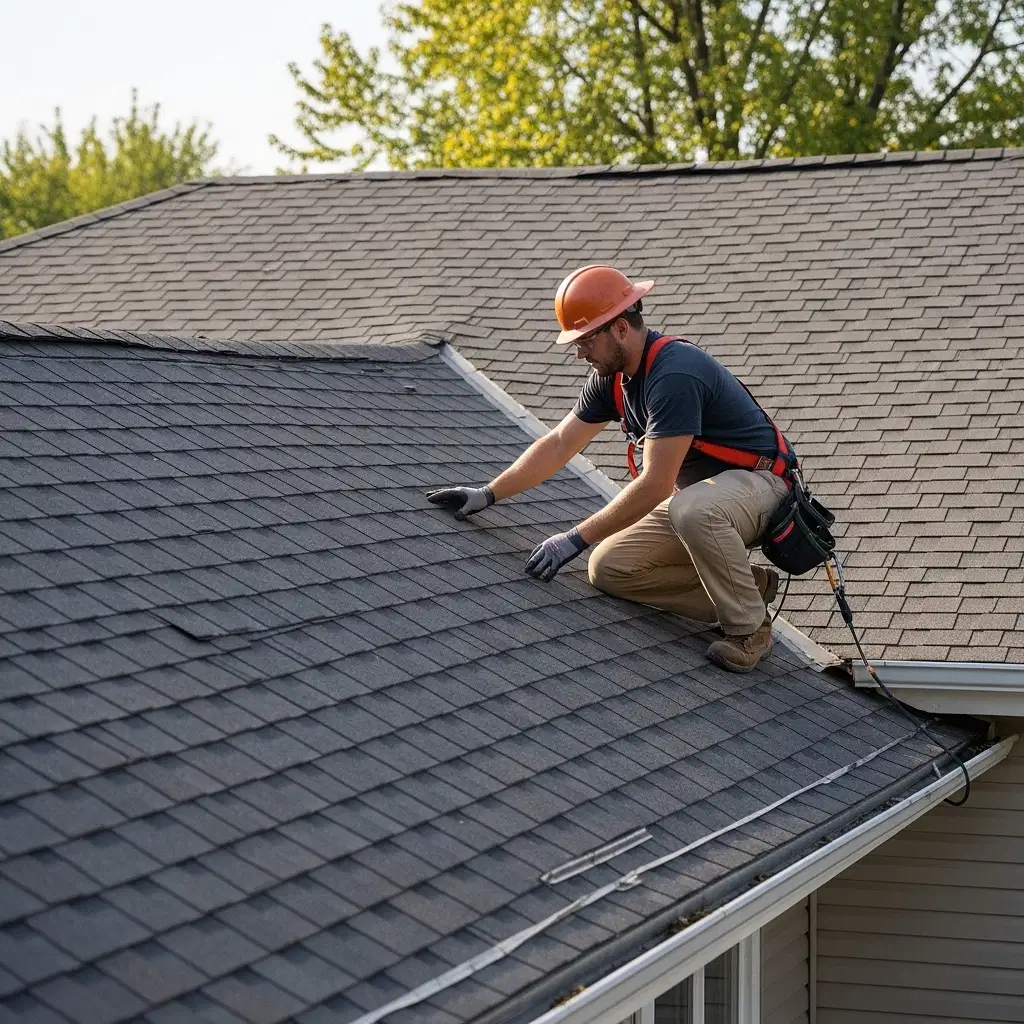
If shingles are the armor, flashing is the seal that protects the most vulnerable points on your roof. Flashing consists of thin pieces of metal installed wherever the roof plane is interrupted—around chimneys, skylights, vents, and in the valleys where roof sections meet. When flashing fails, it’s one of the most common sources of leaks.
Flashing failure often occurs for a few reasons:
- Deteriorated Sealant: The caulk or sealant used to secure flashing can dry out, shrink, and crack under the relentless Florida sun, creating gaps for water to penetrate.
- Corrosion: Older flashing made from galvanized steel can rust over time, compromising its ability to keep water out.
- Improper Installation: If flashing wasn't installed correctly in the first place, it may not be able to expand and contract properly with temperature changes, causing it to loosen and create openings.
Because these areas are designed to channel large amounts of water, even a small breach in the flashing can lead to a significant leak. If you suspect an issue, professional flashing repair or replacement is critical to ensure a watertight seal.
3. Damaged Soffit and Fascia from Gutter Issues
It’s easy to overlook your gutters, but they play a crucial role in protecting your roof. When gutters become clogged with leaves, pine needles, and other debris, rainwater can't flow away from your home. Instead, it backs up and pools along the edge of your roof.
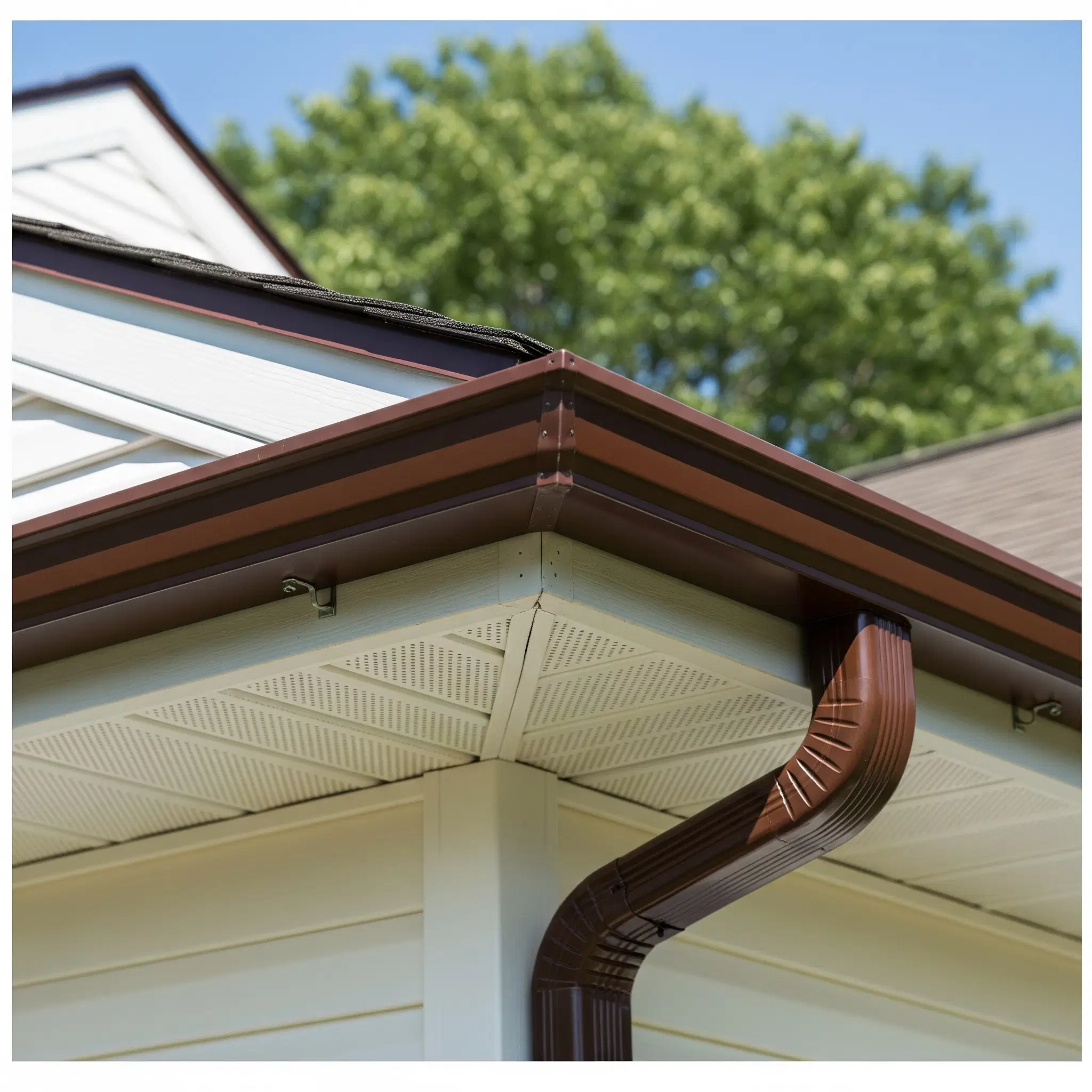
This standing water can easily seep underneath the shingles and begin to rot the wooden structures at your roofline, specifically the fascia (the board your gutters are attached to) and the soffit (the underside of the roof overhang). Signs of this problem include peeling paint, dark water stains, or soft, spongy wood. A compromised soffit or fascia not only leads to leaks but can also invite pests into your attic. Timely soffit repair and fascia repair are essential to maintaining your roof's structural integrity.
4. The Simple Factor of Age
Even the best-installed roof won't last forever. Roofing materials have a finite lifespan, and in our demanding climate, that lifespan can sometimes be shorter than average. Over the years, the constant exposure to sun, rain, and wind takes its toll. Materials become brittle, sealants fail, and the roof's overall ability to shed water diminishes.
If your roof is approaching the 15-20 year mark, it’s more susceptible to developing leaks from general wear and tear. While a single repair might fix an immediate problem, multiple leaks on an older roof are often a sign that it's time to consider a full replacement. Investing in a new roof provides not just a solution to current problems but also long-term peace of mind and protection for your most valuable asset.
Protect Your Home with Midgard Industries
From a single missing shingle to widespread age-related issues, any roof vulnerability can lead to costly water damage. The key is to be proactive. If you've noticed any of the warning signs mentioned above or simply want the assurance that your roof is ready for the next hurricane season, don't wait for a water stain to appear on your ceiling.
At Midgard Industries, we believe in craft, character, and consistency. We are a local company dedicated to providing honest assessments and high-quality workmanship to our neighbors. We stand behind our work with a 10-year workmanship warranty for your peace of mind. Contact us today to schedule a thorough inspection and get reliable leak repair services in the greater Orlando area. Let us help you keep your home safe and dry.